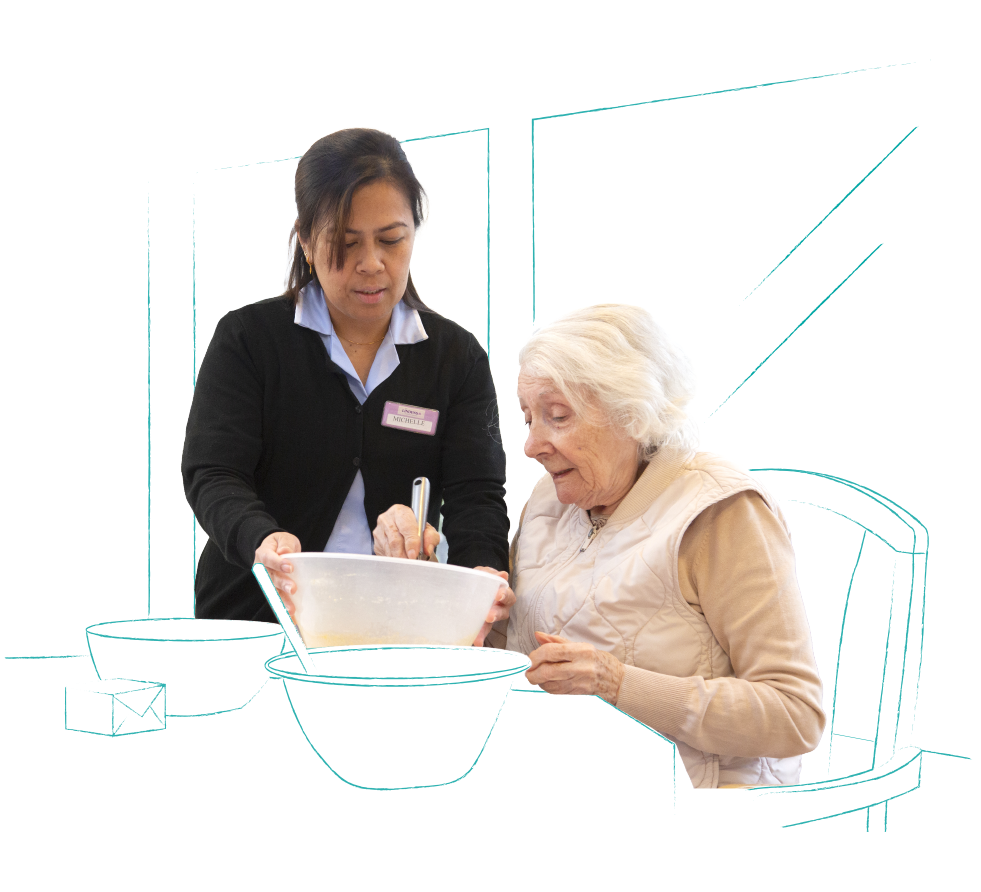
Finding care that truly fits can transform quality of life for you or someone you love. At the heart of this process is the care needs assessment, a comprehensive evaluation that helps determine what type of support would be most beneficial. Understanding how this assessment works can help you prepare and ensure that the resulting care plan truly meets individual needs and preferences.
What Is a Care Needs Assessment?
A care needs assessment is a detailed evaluation carried out to understand a person’s physical, mental and emotional wellbeing. The assessment examines current abilities, health conditions, daily living requirements and personal goals to determine what level of care and support would be most appropriate.
The process considers the whole person, not just their medical conditions. This includes:
- Physical health and mobility
- Mental health and cognitive function
- Current living situation and safety
- Personal care requirements
- Social connections and activities
- Individual preferences and aspirations
The assessment ensures that any care provided is tailored to the individual, respecting their dignity, independence and personal choices.
Who Conducts the Assessment?
Care needs assessments can be conducted by different professionals depending on the circumstances:
Local Authority Social Services If you’re seeking publicly funded care, the local council’s social services department will arrange an assessment. This is often conducted by a social worker or care assessor who will evaluate needs and determine eligibility for financial support.
Care Home Staff When considering residential care or nursing care at a private facility, the care home’s management team will conduct their own assessment. This helps them understand whether they can meet the individual’s needs and develop an appropriate care plan.
Healthcare Professionals In some cases, nurses, occupational therapists or other healthcare professionals may be involved, particularly if there are complex medical needs or specific therapeutic requirements.
The Assessment Process: What to Expect
Initial Contact and Preparation
The assessment begins with an initial conversation, often by telephone, to gather basic information. This helps the assessor understand the general situation and prepare for a more detailed discussion. You’ll typically be asked about:
- Current health conditions
- Medication requirements
- Mobility and daily living abilities
- Existing support arrangements
The Face-to-Face Meeting
The main assessment usually takes place during a home visit or at the care facility. This meeting provides an opportunity to discuss needs in detail within a comfortable, private setting. The assessor will ask questions about various aspects of daily life, including:
| Assessment Area | What’s Considered |
|---|---|
| Personal Care | Washing, dressing, toileting, eating and drinking |
| Mobility | Moving around safely, risk of falls, use of aids |
| Health Needs | Medical conditions, medication management, nursing requirements |
| Mental Wellbeing | Cognitive function, memory, mood, mental health |
| Social Needs | Relationships, activities, hobbies, community connections |
| Environment | Current living conditions, safety, accessibility |
The assessment is collaborative. You or your loved one should feel comfortable expressing preferences, concerns and aspirations. Family members are often encouraged to participate, particularly if the person being assessed has difficulty communicating their needs.
Specialist Assessments
For individuals with dementia care needs or other complex conditions, additional specialist assessments may be required. These help create a more comprehensive understanding of how best to provide support.
What Happens After the Assessment?
Once the assessment is complete, the information gathered is used to create a personalised care plan. This document outlines:
- The type and level of care recommended
- Specific support requirements
- Personal preferences and goals
- How needs will be monitored and reviewed
For those seeking council-funded care, the local authority will determine eligibility based on national criteria. If eligible, they’ll calculate a personal budget contribution towards care costs.
When arranging private care, the assessment helps the care provider understand whether they can meet your needs and what services would be included in your care package.
Preparing for Your Assessment
Being well-prepared can help ensure the assessment accurately reflects needs and preferences. Consider the following beforehand:
Gather Relevant Information
- List of current medications
- Details of health conditions and diagnoses
- Contact information for doctors and healthcare professionals
- Summary of daily routines and any difficulties
Think About Your Goals
- What’s most important to you in terms of lifestyle and wellbeing?
- Are there activities or hobbies you’d like to continue?
- What aspects of independence do you want to maintain?
Prepare Questions
- What types of care are available?
- How are care plans reviewed and updated?
- What happens if needs change?
- How do you ensure dignity and respect?
Be Honest and Open It’s essential to be truthful about difficulties and challenges. Underplaying needs may result in inadequate support, whilst discussing concerns openly ensures the right level of care is provided.
You can learn more about how the assessment outcomes affect funding options here.
Types of Care That May Be Recommended
Depending on the assessment outcome, various care options may be suggested:
Residential Care
For those who need assistance with daily living but don’t require constant medical supervision, residential care provides support in a comfortable, safe environment. Help is available with personal care, meals, medication and activities whilst maintaining as much independence as possible.
Nursing Care
When more complex medical needs are present, 24-hour nursing care ensures access to qualified nurses who can manage health conditions, administer medications and coordinate with healthcare providers.
Dementia Care
Specialist dementia care focuses on creating supportive environments that reduce confusion and enable individuals to continue enjoying life. Care plans are adapted to changing needs whilst preserving dignity and respect.
Respite and Convalescent Care
Short-term care options provide temporary support, whether for respite care to give family carers a break or convalescent care following a hospital stay or operation.
Regular Reviews and Ongoing Assessment
Care needs aren’t static they change over time. Regular reviews ensure that care plans remain appropriate and responsive to evolving requirements. Most care providers conduct formal reviews at least annually, with ongoing monitoring to identify any changes that might require adjustments to support.
If circumstances change significantly, such as a decline in health, a fall or changes in behaviour, an updated assessment can be requested at any time.
Getting Support With the Assessment Process
Navigating the care needs assessment process can feel overwhelming, particularly during an already stressful time. At Blissful Care Homes, our experienced teams are here to provide guidance, answer questions and support you through every step of the process.
We focus on understanding the whole person, their strengths, preferences and aspirations, to develop care plans that enable happier, healthier and more fulfilling lives.
Our ultimate goal for everyone at Blissful is happiness.
Whether you’re considering care options for the first time or looking to understand how an assessment might work, our friendly team is happy to discuss your individual circumstances without obligation.
Taking the Next Step
Understanding the care needs assessment process is the first step towards making informed decisions about care and even help with choosing the right care home. If you’d like to discuss your situation, arrange a visit to one of our homes or simply have a conversation about what care might look like, please don’t hesitate to get in touch.
Our compassionate teams are here to help you navigate this important decision with confidence, ensuring that the care provided truly meets individual needs whilst preserving dignity, independence and quality of life.